Experiencing hair loss during menopause can be distressing for many women. This natural phase of life brings about significant hormonal changes, particularly fluctuations in estrogen and progesterone, which can impact hair health. Understanding the causes and exploring effective strategies can help mitigate this issue and restore confidence.
Understanding Hair Loss During Menopause
Hair loss in menopausal women often results from a combination of hormonal changes, genetics, and lifestyle factors. Estrogen plays a key role in promoting hair growth; as its levels decline, hair may become thinner and more prone to shedding. Additionally, conditions such as polycystic ovary syndrome (PCOS) or thyroid imbalances can exacerbate thinning hair during this time.
While some degree of hair shedding is normal, it can feel alarming when the volume decreases significantly. Many women report increased hair loss around the crown or temples, making it vital to identify personalized solutions that address their unique circumstances.
Identifying Contributing Factors
Several factors can contribute to hair loss during menopause. Stress is one of the most significant triggers, with anxiety leading to a condition known as telogen effluvium — where stress pushes hair follicles into a resting phase, resulting in noticeable shedding. Crash dieting or sudden weight loss can also lead to nutritional deficiencies that affect hair health.
In addition to stress-related factors, nutritional aspects play a critical role in maintaining Causes of Hair Loss healthy locks. A lack of essential vitamins and minerals, particularly iron and biotin, can lead to weakened strands. Understanding these contributing elements helps create a targeted approach provillus review for managing hair loss.
Effective Treatments and Remedies
Women facing hair loss during menopause have various treatment options at their disposal. Each approach varies in effectiveness based on individual needs and preferences.
1. Hormone Replacement Therapy (HRT)
For some women, hormone replacement therapy may help combat hormonal imbalances that lead to hair thinning. By restoring estrogen levels, HRT can promote healthier hair growth. However, potential risks and side effects should be discussed with a healthcare provider to determine if this option is appropriate.
2. Nutritional Supplements
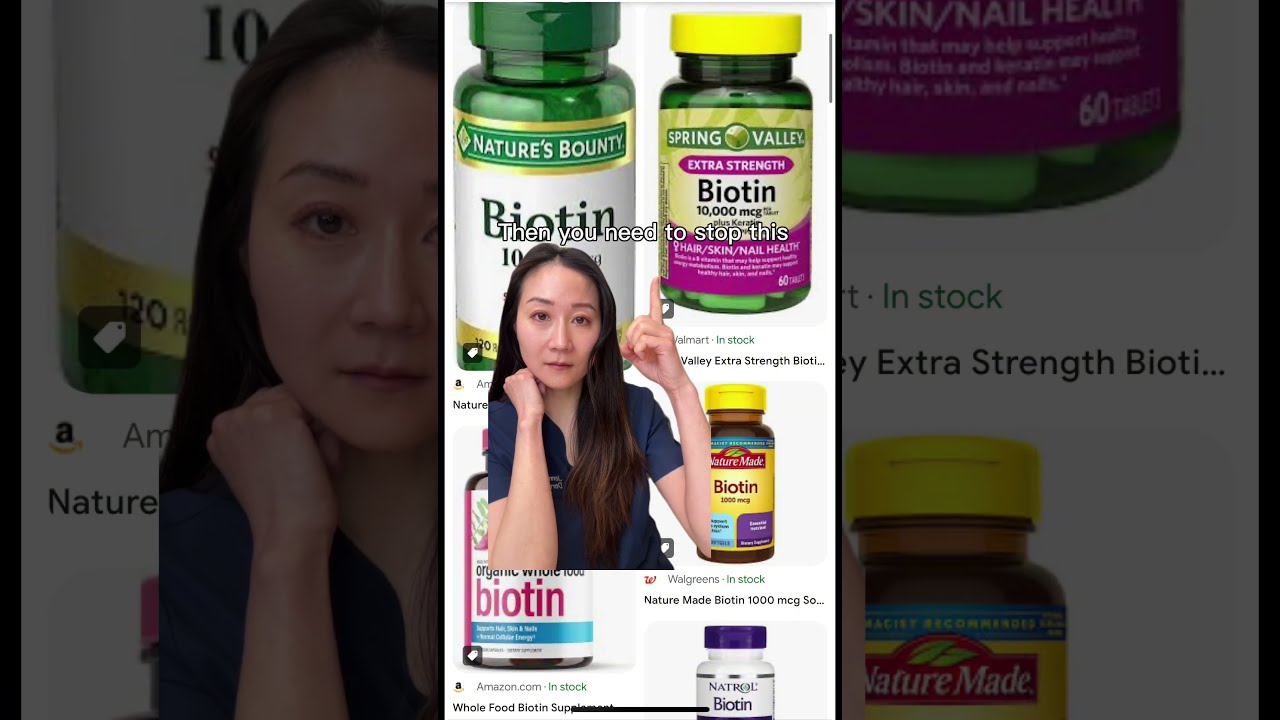
Incorporating vitamins specifically designed for hair health has gained popularity among those experiencing thinning locks. Biotin supplements are often touted for their ability to strengthen hair strands, while collagen supplements may improve overall scalp health by enhancing elasticity.
Additionally, ensuring adequate intake of iron-rich foods like leafy greens and lean meats can support robust hair growth. For those who prefer plant-based solutions, foods high in omega-3 fatty acids — such as walnuts and flaxseeds — may also promote scalp health.
3. Topical Treatments
Many women find success with topical treatments aimed at stimulating the scalp and encouraging growth. Products containing minoxidil are widely recognized for their efficacy in treating various forms of alopecia by increasing blood flow to the follicles.
Natural oils such as rosemary oil or peppermint oil have also shown promise in promoting circulation when massaged into the scalp regularly. These oils not only nourish but may also offer soothing properties for irritated skin.
4. Scalp Treatments
Regular scalp massages enhance blood circulation while providing relaxation benefits that alleviate stress — another contributor to hair loss during menopause. Consider using specialized shampoos designed for thinning hair or those infused with caffeine and saw palmetto extracts known for supporting follicle health.
Exploring professional services such as microneedling or laser therapy may offer additional support by stimulating dormant follicles through controlled micro-injuries or light therapy techniques.
5. Lifestyle Adjustments
Dietary choices significantly influence overall health, including that of your hair. Adopting a well-rounded diet rich in fruits, vegetables, lean proteins, whole grains, and healthy fats ensures your body receives essential nutrients required for optimal function.
Furthermore, managing stress through mindfulness practices like yoga or meditation enhances emotional well-being while potentially reducing related shedding episodes caused by anxiety.
When to Seek Professional Help
While many women manage mild symptoms through lifestyle changes and home remedies effectively, persistent or severe cases warrant professional consultation—especially if accompanied by other symptoms like itching or burning on the scalp.
Dermatologists specialize in diagnosing underlying conditions contributing to excessive shedding and can recommend tailored treatments based on individual assessments—ranging from blood tests that check hormone levels to potential biopsies if necessary.
Embracing Change
Hair loss during menopause does not signify an inevitable end; rather it marks a transitional phase that many women navigate successfully with informed strategies tailored to their needs. By focusing on holistic approaches encompassing nutrition, stress management, topical treatments like serums or oils equipped with proven ingredients—one can foster healthy regrowth over time.

Empowerment comes from understanding both the science behind these changes along with available solutions designed for rejuvenation—translating into renewed confidence through self-care efforts catered towards unique experiences faced at this stage of life.